
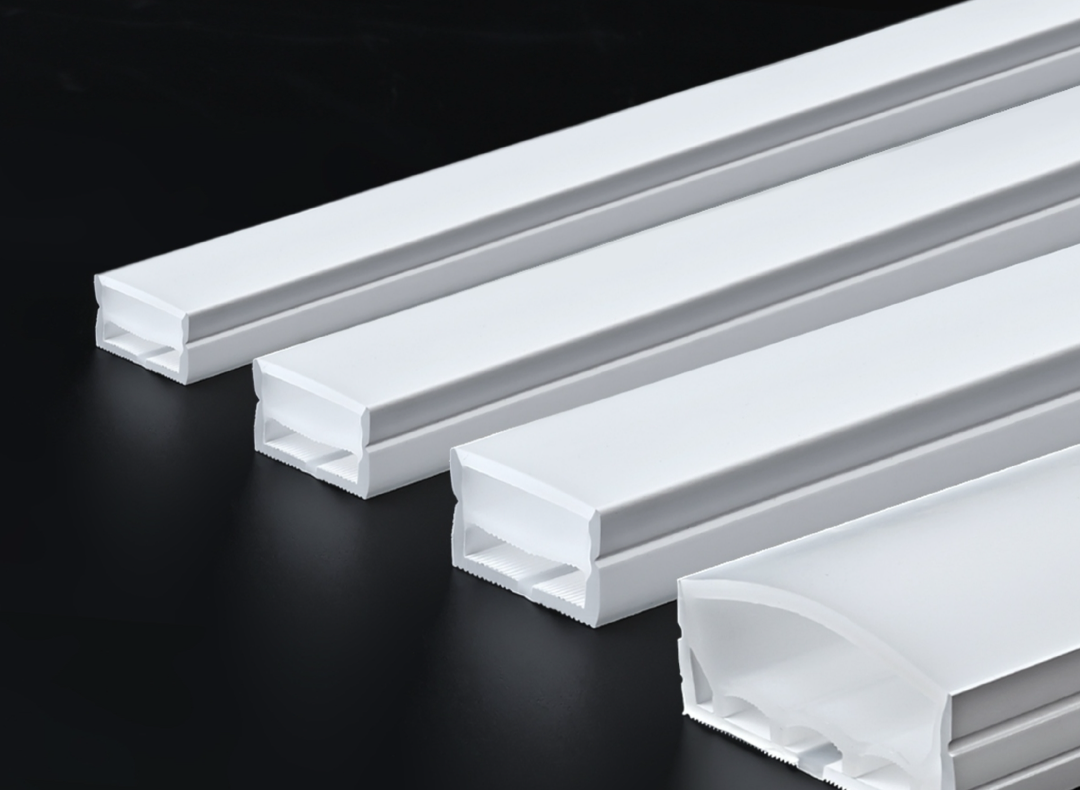
Protected structure routes
Start here when the buyer needs a protected strip format before deciding how exposed the installation is.
Silicone strip lights are used for projects that need stronger environmental protection, cleaner waterproof handling, and confidence in exposed or humid installation conditions.

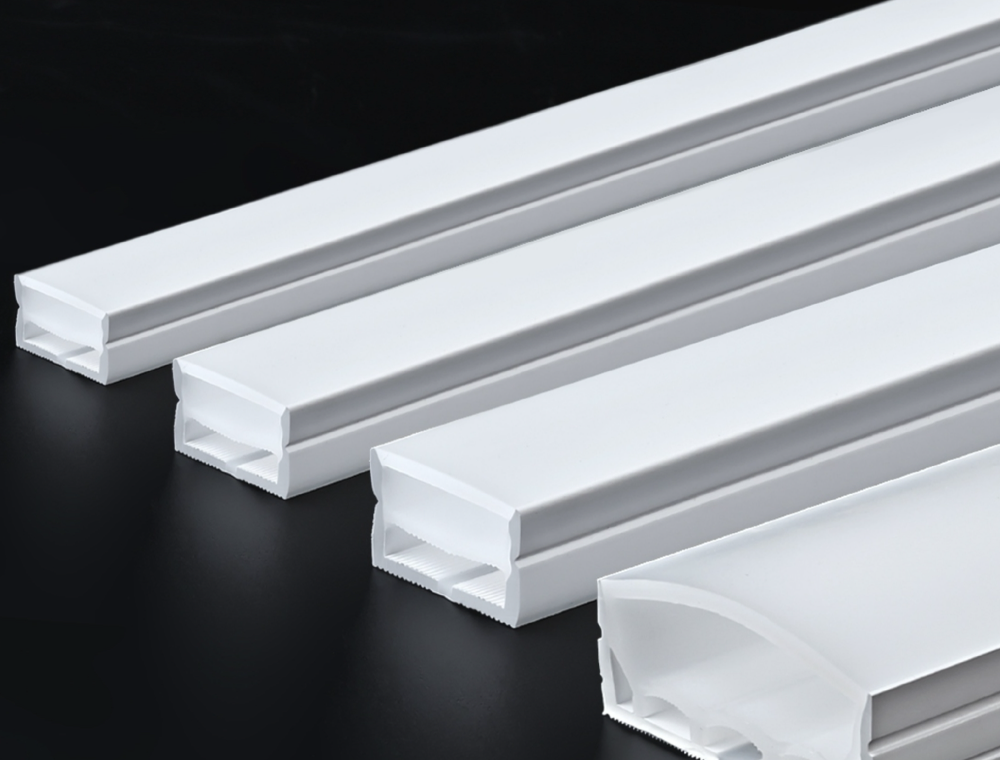
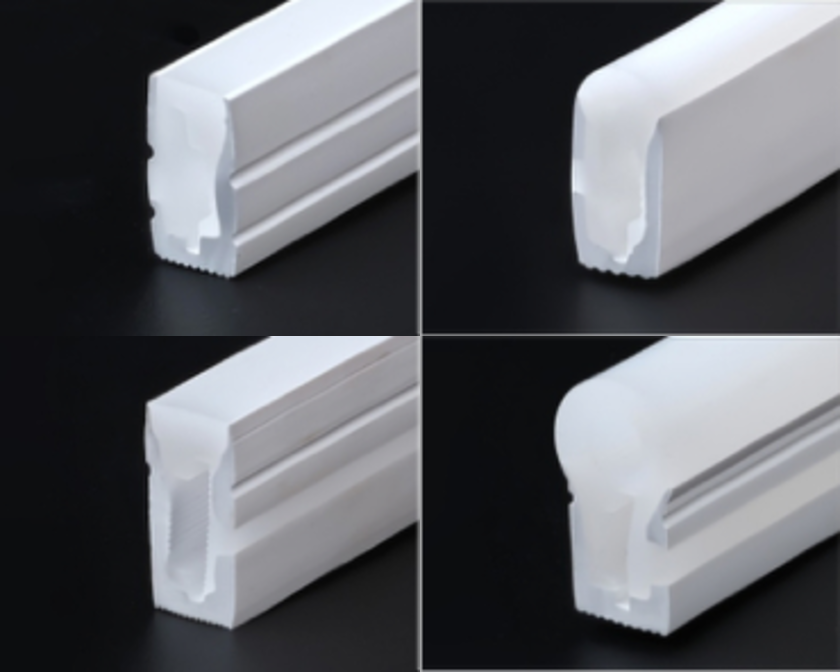
Start with protection structure and exposure level before comparing exact profile options.
All 4 Silicone directions below are grouped by buyer decision path: protected structure, integrated supply, or outdoor exposure.
Start here when the buyer needs a protected strip format before deciding how exposed the installation is.
Use this when the buyer needs a cleaner integrated structure for project supply or OEM handling.
Use this when weather, wet-area risk, or exterior mounting drives the final protected-strip choice.
Start with protection structure, exposure level, and mounting method before comparing silicone strip options.
Start here when the buyer needs a protected strip format before deciding how exposed the installation is.
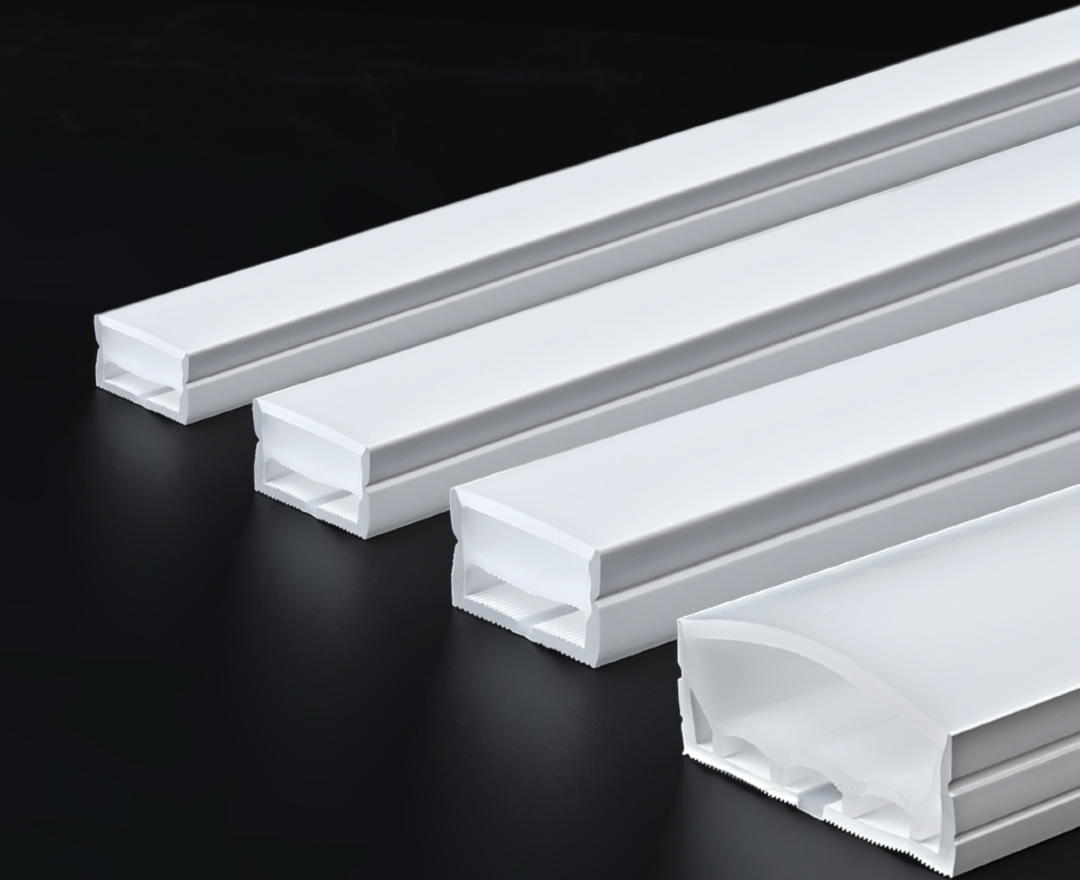
Protected strip format for humid zones, architectural detail lighting, and cleaner waterproof handling.
View Series DetailsCommon direction for projects that need a protected outdoor-ready structure and stable linear light supply.
View Series DetailsUse this when the buyer needs a cleaner integrated structure for project supply or OEM handling.

Integrated protected strip direction for tidy installation and OEM linear-lighting supply programs.
View Series DetailsUse this when weather, wet-area risk, or exterior mounting drives the final protected-strip choice.
Silicone-based construction for exposed environments, wet-area use, and project-grade weather resistance.
View Series DetailsUse these checkpoints before protected-strip sampling, waterproof review, or quotation.
Silicone is best framed as a protected-structure category rather than only a waterproof label.
Use encapsulated or IP67 structures when bathrooms, kitchens, or wet indoor zones drive the buyer's first question.
Use IP67 tube or outdoor protected routes when facade edges, garden paths, or exposed lines need stronger sealing.
Use protected silicone structures when the buyer needs a cleaner light line and more confidence in exposed installation.
Use outdoor protected routes when weather, cable exit, and fixing method affect long-term reliability.
Use integrated silicone routes when structure cleanliness, packaging, and repeat-order handling matter early.
Use silicone-family review when the risk is environmental protection, not only brightness or standard strip price.
This table helps move the discussion from generic “waterproof strip” language into actual structure selection.
| Scenario | Suggested Direction | Main Specs To Confirm | Notes |
|---|---|---|---|
| Humid indoor area | Silicone Encapsulated Strip | IP target, mounting surface, maintenance expectation | Useful where indoor protection matters more than full outdoor sealing. |
| Outdoor edge lighting | IP67 Silicone Tube Strip | Exposure level, run length, fixing method | Often chosen when the buyer needs a familiar protected outdoor strip direction. |
| Integrated OEM supply | Integrated Silicone Linear Strip | Profile direction, packaging, OEM handling | Useful where structure cleanliness and product integration matter. |
| Higher environmental risk | Outdoor Protected Strip | Weather exposure, sealing target, application path | The real outdoor condition should drive the protection direction before quotation. |
Use this checklist to keep protected-strip conversations grounded in environment, sealing, and installation reality.
Confirm whether the job is humid indoor, protected outdoor, or fully weather-exposed before comparing structure only by name.
Lock IP target, voltage, light color, mounting method, and cable-exit direction before sample approval.
Check whether the buyer needs encapsulated, IP67 tube, integrated protected supply, or a stronger outdoor route first.
Align sealing expectation, OEM packing, and handling details early because protected-strip programs often fail on installation assumptions.
Use these request blocks when the buyer is still narrowing sealing structure, installation method, and supply form.
Use the Wismart Silicone Neon Series 2026 catalog to compare integrated extrusion, tube, circular, flanged, and specialty profile options.
Download Silicone / Neon CatalogUseful when the buyer needs the correct protected-structure document path before moving into exact model-level quoting.
Request DatasheetUse this when the buyer only knows the environment, exposure level, or installation scene and needs help choosing the right protected route.
Request Application ReviewUseful when the buyer needs to compare several protected structures before the project or distributor program is locked.
Plan SamplesUse this when protected-strip handling, carton labeling, reel treatment, or private-label supply must be aligned early.
Discuss OEM PackingThese FAQs help buyers compare protection level, installation risk, and quotation inputs before selecting a protected-strip direction.
Silicone structure is usually selected when the buyer needs better protection, cleaner waterproof handling, or more confidence in humid or outdoor environments.
IP target, installation environment, strip structure, voltage, light color, run length, and fixing method should be aligned early.
Yes. The exact structure still depends on the exposure level, mounting condition, and the real environmental risk of the project.
Not only. Buyers may also choose silicone-based structure for cleaner protection, appearance control, and project reliability expectations.
Send the environment, protection target, voltage, and installation method so the quote request can be routed correctly.