
Download current catalogs
Use COB, Silicone / Neon, or SMD PDFs when the buyer wants to review family options before asking for a quote.
View Catalog DownloadsThis buyer-assist layer handles product selection, missing-spec clarification, sample planning, and OEM preparation before the commercial handoff.
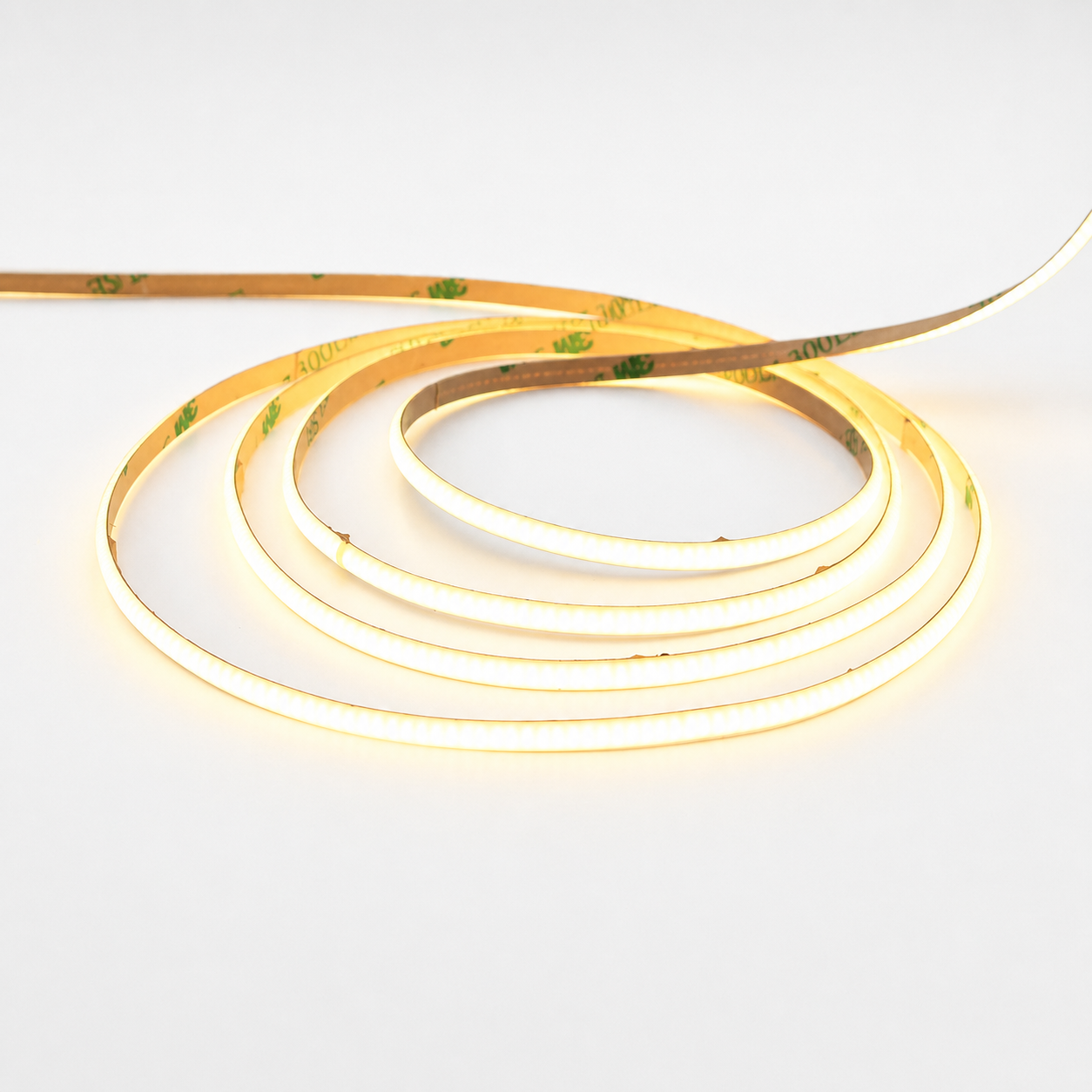

Choose the support path that matches your current stage: catalog review, product advice, sample request, or quotation follow-up.
Use COB, Silicone / Neon, or SMD PDFs when the buyer wants to review family options before asking for a quote.
View Catalog DownloadsUse this path when the buyer knows the scene or effect but still needs help choosing COB, SMD, Neon, or Silicone.
Request Product AdviceUse this path when the family is likely clear and the buyer needs files, drawings, samples, or OEM details.
Request DatasheetUse the product hub when the buyer wants a structured comparison before moving to files or quote follow-up.
View ProductsSupport choices are grouped around product family, application fit, sample request, and quotation follow-up.
Start from COB, SMD, Neon Flex, or Silicone first so the buyer is not forced to guess an exact model too early.
Clarify voltage, color path, CRI, IP target, run length, and mounting direction before sample or quote discussion tightens.
Use the support page to ask for datasheets, drawings, sample planning, and OEM label or carton alignment.
Packaging, private label, custom structure, and project adaptation can be scoped before the commercial handoff.
Support the early conversation around lead time, packing expectations, and shipment destination.
Start from the scene, rough specification, or target market even when the exact model is not yet clear.
Use these four inputs first so the support team can narrow product family, specification, and follow-up path faster.
Start with the project use case or with COB, SMD, Neon Flex, or Silicone if the family is already clear.
Voltage, dimming method, CCT or color, and CRI are the first details that usually decide the product direction.
Indoor, damp, exterior, profile mounting, free-cut, top-bend, or side-bend needs should be stated early.
Sample quantity, order estimate, target market, and project timing make the quote path much clearer.
A step-by-step support flow keeps product clarification connected to sampling, files, and quotation follow-up.
Start from product family or application scene so the buyer does not get blocked on an exact SKU too early.
Voltage, CCT, CRI, IP target, quantity, or mounting method are usually the first missing details to recover.
Move into drawings, datasheets, sample quantity, and OEM requirements once the family choice is stable.
Only after the support loop is complete should the final quote, MOQ, and lead-time conversation tighten.
This keeps the support page aligned with a real factory-side sales handoff.
Use the support layer to land on the right family and product direction before anyone starts debating exact SKU codes.
After the family choice is stable, move into drawings, datasheets, sample count, and OEM label or carton discussion.
Quote, MOQ, lead time, and shipment planning should tighten only after the support loop has removed the main ambiguity.
These are the questions that usually appear before product matching becomes stable.
Send scene, product family, voltage, CCT or color, IP target, and quantity. That is enough for the first selection pass.
No. The support flow is designed so the buyer can begin with the application and rough requirement.
Yes. Packaging, labeling, structural adaptation, and project-brief language are included in the support flow.
The next step is usually product-family confirmation, missing-spec clarification, then drawings, samples, or quotation follow-up.
Open the contact form and send the scene plus rough requirement first. Exact SKU can be recovered after the family choice is clear.