
Silicone Strip Lights
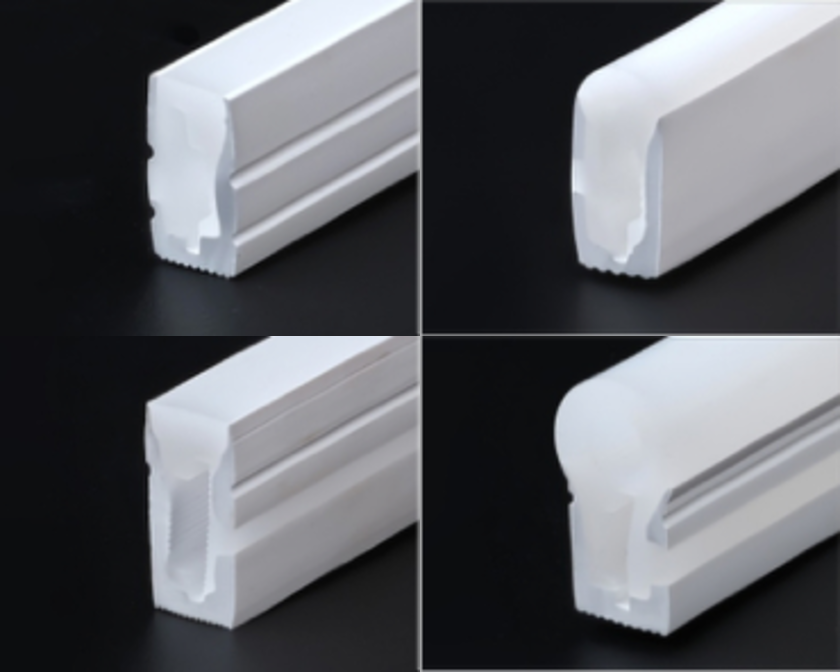
Outdoor Protected Strip main product view
Outdoor Protected Strip
Silicone-based construction for exposed environments, wet-area use, and project-grade weather resistance.
Where this series fits for buyer selection
Silicone-based construction for exposed environments, wet-area use, and project-grade weather resistance.
Used when the buyer needs a protected strip structure shaped by real exposure rather than a generic waterproof claim.
Best for outdoor edges, wet-area details, and exposed architectural lines.
Keep attention on sealing, fixing, and maintenance risk.
Useful when the job needs a more serious protected structure discussion.
Series Gallery
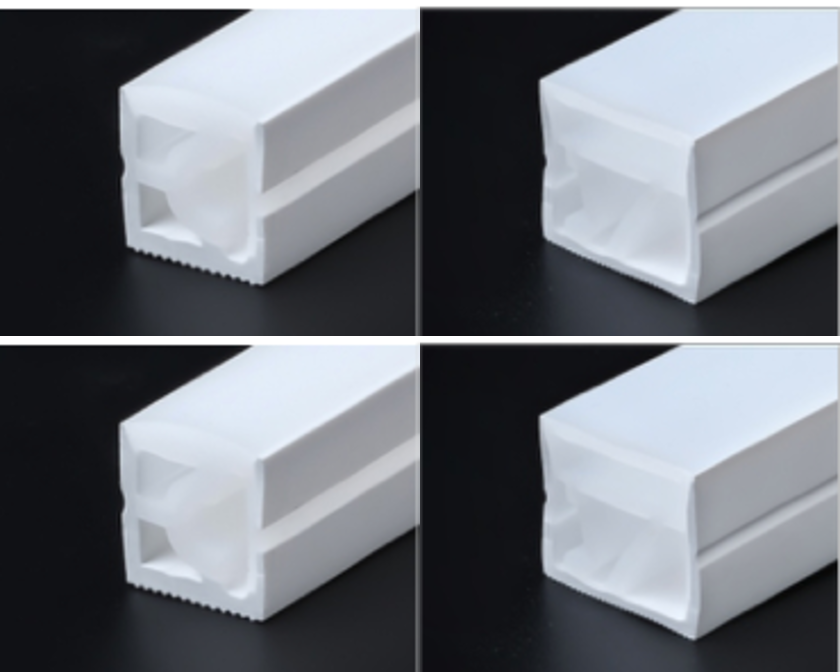
Product views for Outdoor Protected Strip
Review product form, board width, and visual presentation before moving to model-level discussion.
Application Match
Typical use cases for Outdoor Protected Strip
Check whether the series fits the buyer's project before sample or quotation follow-up.
Weather-exposed architectural edges
Outdoor Protected Strip can be positioned for this use case after voltage, color, structure, and installation details are aligned.
Wet-area decorative lines
Outdoor Protected Strip can be positioned for this use case after voltage, color, structure, and installation details are aligned.
Outdoor signage support lighting
Outdoor Protected Strip can be positioned for this use case after voltage, color, structure, and installation details are aligned.
Projects with stronger sealing expectations
Outdoor Protected Strip can be positioned for this use case after voltage, color, structure, and installation details are aligned.
Exterior runs where maintenance risk is real
Outdoor Protected Strip can be positioned for this use case after voltage, color, structure, and installation details are aligned.
Jobs that outgrow basic protected-strip language
Outdoor Protected Strip can be positioned for this use case after voltage, color, structure, and installation details are aligned.
Series Parameters
Key parameters for Outdoor Protected Strip
Use this table to screen voltage, color direction, structure, and project fit before narrowing the final model.
| Item | Quote direction | Commercial note |
|---|---|---|
| Structure direction | Outdoor protected silicone structure for higher weather-resistance expectations | Start from the real environment risk and installation method rather than only using a waterproof label. |
| Protection level | Outdoor-ready structure chosen from actual exposure level | The right sealing path depends on exposure, mounting, and service expectations. |
| Voltage option | 12V / 24V by length, power, and exterior feed planning | Power-feed strategy still needs to be aligned with length and installation path. |
| Mounting method | Exterior clips, profile support, and fixing distance should be aligned first | Protected strip projects often fail early if the fixing method is left undefined. |
| Cable exit / sealing | Sealing, drain path, and cable handling should be closed before quotation | End-cap, entry, and sealing details should close before the first approved sample. |
| Typical project fit | Outdoor edges, wet-area details, signage support, and exposed project lines | Use this line to guide the buyer into the correct protected structure before SKU comparison. |
Order Preparation
What should be aligned before sample or production
Use these checkpoints to align samples, drawings, packaging, and production details before the order moves forward.
Confirm real environment risk
Define whether the job is humid indoor, protected outdoor, or weather-exposed before discussing the right protected structure.
Confirm mounting and cable exit
Installation path, cable direction, and end-cap method affect whether the sample can match the project reality.
Confirm length and power plan
Voltage, run length, and profile/fixing method should be aligned before pricing and sample handling are locked.
Confirm OEM packing and label
Silicone and protected structures often need clearer carton, reel, and handling instructions before production release.
Sourcing Checklist
What should be confirmed before quoting this series
Use this checklist to confirm the commercial and technical points buyers normally settle before sample or quotation.
Confirm the project is truly weather-exposed enough that standard protected handling is not sufficient.
Lock sealing path, cable exit, fixing distance, and service expectation before the sample becomes the standard.
Align voltage and feed planning with the exterior installation path because rework is more expensive outdoors.
Clarify whether the buyer needs project-grade outdoor handling or a lighter protected alternative would already solve the need.
Sales Support Requests
Common request points before sample and quotation
Use these request blocks to ask for datasheet review, drawing confirmation, sample planning, and OEM packing support.
Datasheet & parameter sheet
Request the latest Outdoor Protected Strip datasheet with the main electrical and structural options for buyer review.
Request DatasheetDrawing & cut-point review
Request width, cut interval, mounting, and installation drawing support before sampling.
Request Drawing ReviewSample and lead-time planning
Align sample quantity, finish expectations, and target shipment window before formal quotation closes.
Plan SamplesOEM label and carton support
Reserve space for private label, barcode, outer-carton, and mixed-SKU packing requirements.
Discuss OEM Packing
Series FAQ
Questions buyers still ask at the series level
These FAQs focus on the questions buyers normally resolve before they move from category screening to model selection.
When should buyers move to outdoor protected strip?
Move here when the installation faces real exposure, wet-area risk, or stronger durability expectations than lighter protected structures can cover.
Is this different from simply asking for waterproof strip?
Yes. This series forces a more practical review of exposure, sealing, fixing, and service risk.
What blocks approval most often?
Unclear cable handling, underestimated exposure, or missing agreement on fixing and sealing details usually slows approval.
Can this still be used for decorative jobs?
Yes. Decorative intent is fine, but the outdoor protection logic still has to lead the buying decision.
Ready to quote Outdoor Protected Strip?
Send the voltage option, target output, color direction, quantity, and application so the team can align the correct model faster.